
Music in the Age of AI: Why Human Expression in Piano, Violin, and Voice Matters More Than Ever
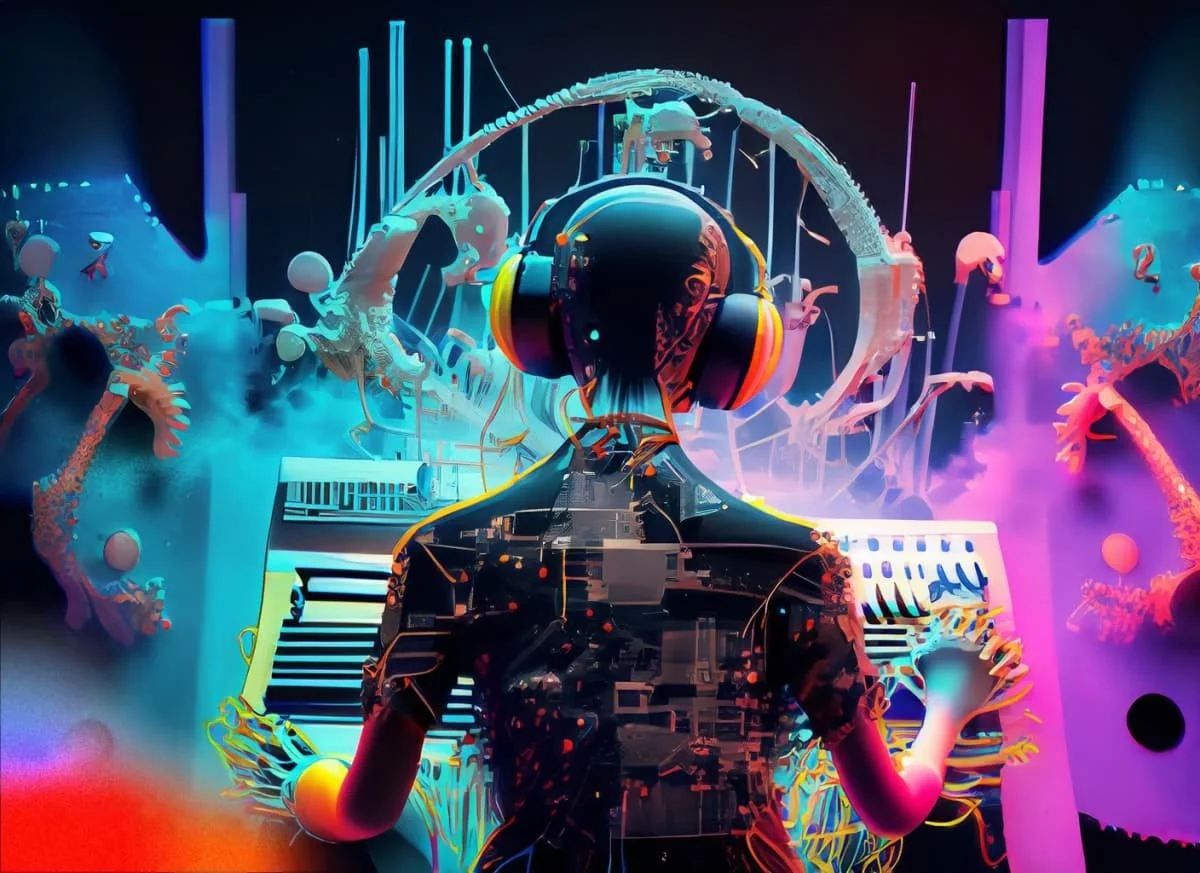
Artificial intelligence is rapidly changing the music world. Today, AI can compose melodies, generate accompaniments, and even imitate the style of great composers within seconds. Technology is becoming faster, smarter, and more accessible.
But as music becomes easier to generate, something extraordinary is happening:
Human emotion is becoming more valuable — not less.
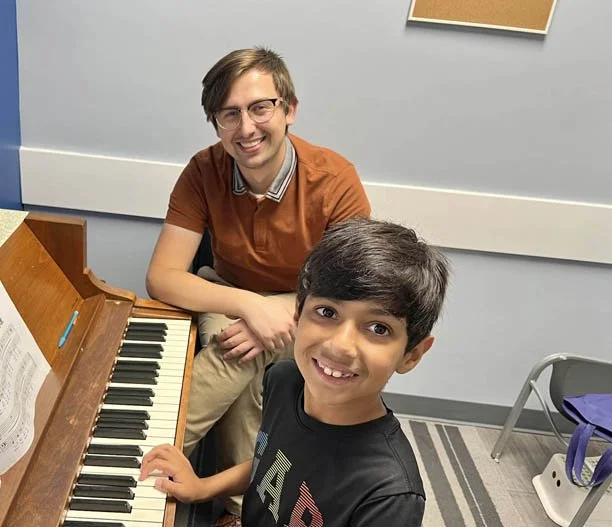
At Opus Music School Allen, where we specialize in piano, violin, and vocal training, we believe that while AI can replicate sound, it cannot replicate the lived human experience behind music.
🎹 Piano: Beyond Perfect Notes
AI can produce flawless scales and technically perfect recordings.
But piano playing is not about perfection alone.
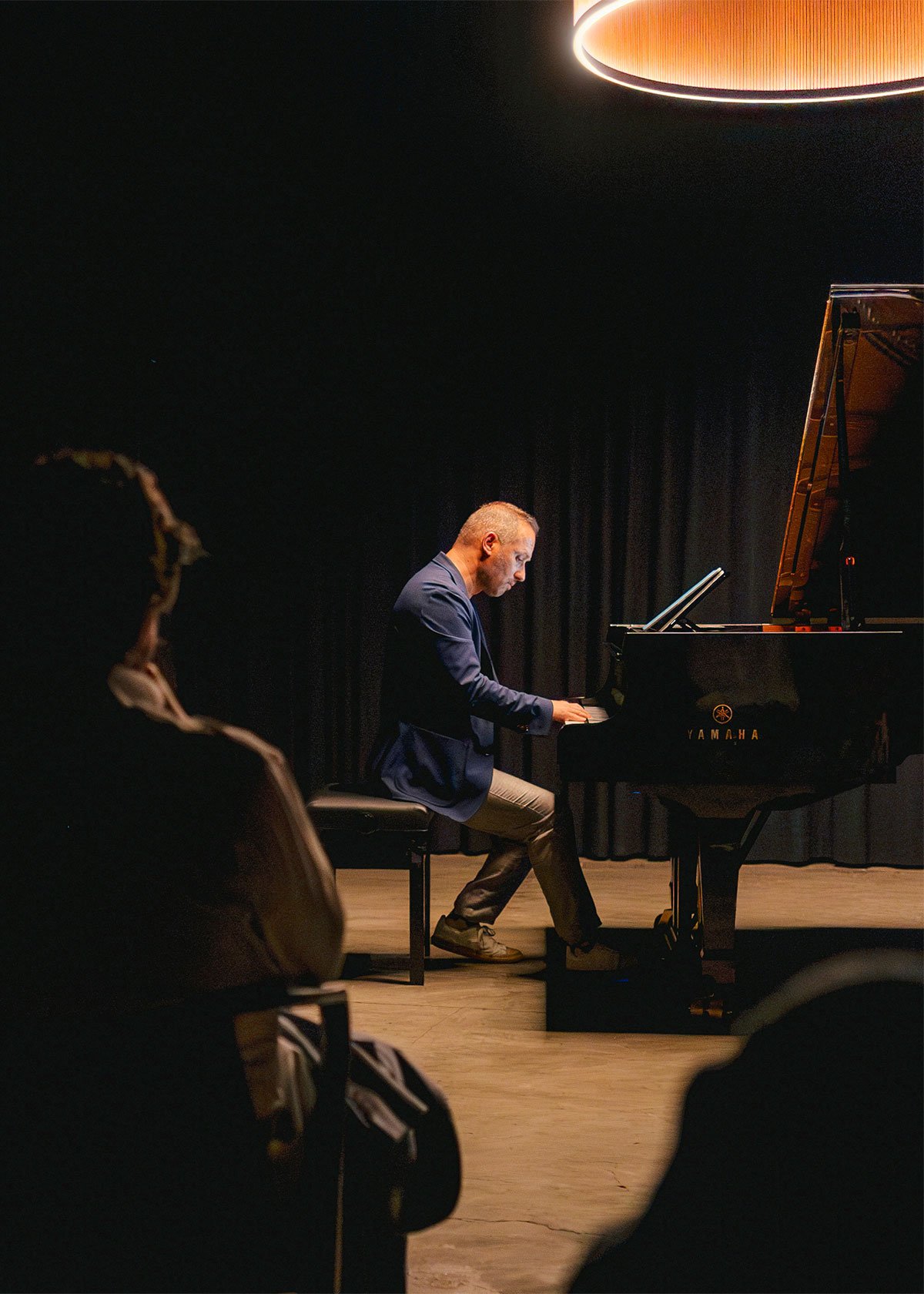
When a child performs their first recital piece, it represents:
Weeks of discipline
Overcoming frustration
Building confidence
Expressing emotion through touch
The subtle weight of a pianist’s hands, the hesitation before a lyrical phrase, the emotional shaping of dynamics — these are human decisions rooted in feeling, not algorithms.
The piano becomes a language. And language requires a heart.
🎻 Violin: The Sound of Vulnerability
The violin is one of the most expressive instruments in the world. Its tone can cry, whisper, or soar.
A violinist must control:
Bow pressure
Speed
Vibrato
Intonation
But beyond technique, true violin playing requires vulnerability. The slight tremble in a sustained note or the warmth of vibrato reflects the performer’s inner world.
AI may reproduce a beautiful tone.
But it cannot feel the tension of stepping on stage.
It cannot experience the pride of mastering a difficult passage.
Emotion gives the violin its soul.
🎤 Voice: The Most Human Instrument
Unlike any other instrument, the voice is deeply personal. It carries identity, breath, and raw emotion.
In vocal lessons, students learn:
Breath control
Projection
Diction
Interpretation
But they also learn courage.
To sing is to reveal yourself.
To communicate text and emotion directly from within.
AI-generated vocals may sound polished, but they do not carry personal stories. They do not reflect lived joy, heartbreak, resilience, or growth.
The human voice connects because it is human.
Technology as a Tool — Not a Replacement
We embrace technology. AI can:
Assist with practice tools
Provide accompaniment tracks
Offer creative composition support
But technology should enhance artistry, not replace it.
The future of music will not be machines versus musicians.
It will be technology supporting expressive, emotionally intelligent artists.
Why Music Education Matters Even More Now
In an AI-driven era, the skills that will define success are deeply human:
Emotional intelligence
Creativity
Discipline
Confidence
Empathy
Piano, violin, and vocal lessons develop all of these.
At Opus Music School Allen, we are not simply teaching students to play or sing correctly. We are guiding them to become expressive individuals who understand how to communicate feeling through sound.
Because in a world where music can be generated instantly,
authentic human expression will be the true luxury.
And that is something no machine can replace.
